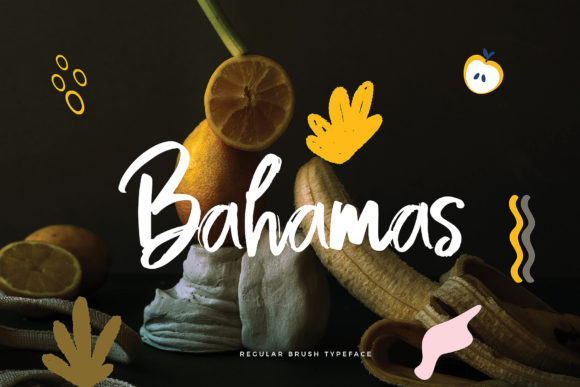
Bahamas: Elevating Design with a Brushed Handwritten Aesthetic
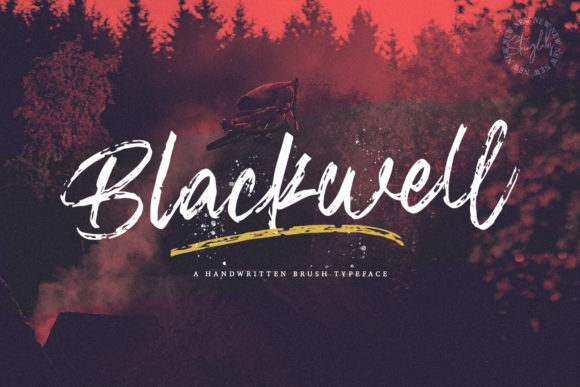
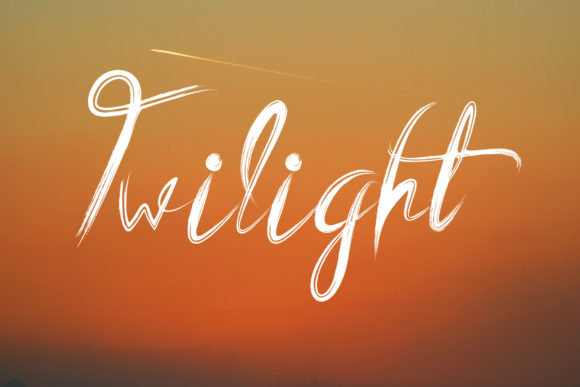
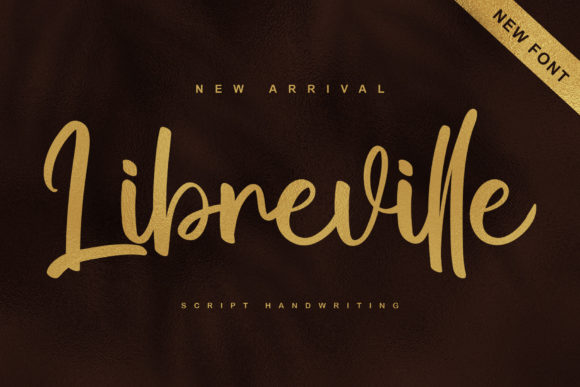
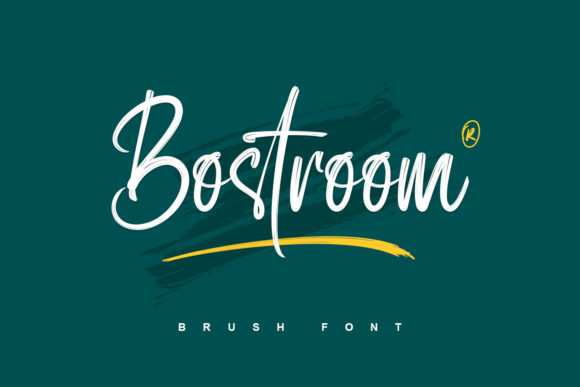
In the rapidly evolving landscape of digital and print design, typography serves as more than just a vessel for information; it is the emotional backbone of visual communication. Among the myriad of typefaces available today, Bahamas has emerged as a distinctive choice for creators seeking to infuse their work with warmth, personality, and a touch of organic elegance. As a lovely brushed handwritten font, it bridges the gap between professional polish and human connection, making it an invaluable asset in a designer’s toolkit.
The appeal of Bahamas lies not merely in its aesthetic charm but in its versatility. It looks stunning on wedding invitations, thank you cards, quotes, greeting cards, logos, business cards, and every other design which needs a customized touch. This adaptability reflects a broader shift in consumer preferences toward authenticity and bespoke experiences. In an era where automated templates dominate much of the digital space, the deliberate choice of a handwritten style signals care, attention to detail, and a personal approach that resonates deeply with modern audiences.
The Rise of Authenticity in Visual Communication
Over the past decade, we have witnessed a significant pivot away from sterile, corporate minimalism toward designs that feel lived-in and genuine. This trend is driven by a cultural desire for connection. People are increasingly skeptical of overly polished, impersonal branding. They crave narratives that feel real, and typography plays a crucial role in establishing that narrative voice. Bahamas, with its fluid strokes and natural variation, embodies this shift perfectly.
Unlike rigid sans-serif fonts that prioritize uniformity, brushed handwritten styles like Bahamas introduce subtle imperfections that mimic the human hand. These nuances create a sense of intimacy. When a potential client sees a logo or an invitation set in Bahamas, they subconsciously register the effort and creativity behind it. This psychological impact is particularly potent in industries where trust and relationship-building are paramount, such as wellness, hospitality, artisanal crafts, and event planning.
Furthermore, the popularity of such fonts aligns with the growth of the creator economy. Freelancers, small business owners, and independent artists are no longer confined to generic tools. They have access to high-quality resources that allow them to compete with larger entities on a visual level. By utilizing a font like Bahamas, these individuals can establish a brand identity that feels premium yet approachable, distinguishing themselves in crowded marketplaces.
Practical Applications Across Industries
Understanding the theoretical appeal of Bahamas is one thing; applying it effectively is another. The font’s strength lies in its ability to adapt to various contexts without losing its character. Here is how different professionals can leverage this typeface to enhance their projects:
- Wedding and Event Stationery: This is perhaps the most natural home for Bahamas. Wedding invitations require a balance of formality and romance. The brushed texture of the font adds a tactile quality even in digital formats, evoking the feeling of ink on paper. It pairs exceptionally well with clean, minimalist serif fonts for body text, creating a hierarchy that guides the eye while maintaining elegance.
- Brand Identity and Logos: For boutiques, cafes, salons, and lifestyle brands, a logo needs to be memorable and reflective of the brand’s ethos. Bahamas offers a friendly, inviting vibe that works well for businesses emphasizing community and personalized service. However, it is crucial to ensure legibility at smaller sizes. Simplifying the logo design or using the font primarily for the brand name rather than taglines can mitigate readability issues.
- Social Media and Digital Content: In the scroll-heavy environment of Instagram and Pinterest, visuals must stop the user in their tracks. Quotes overlaid on images using Bahamas stand out against the backdrop of standard system fonts. The handwritten style breaks the monotony of the feed, encouraging engagement and shares. It is particularly effective for inspirational quotes, behind-the-scenes captions, and promotional graphics that aim to feel personal rather than salesy.
- Packaging and Product Labels: Artisanal products, from handmade soaps to small-batch coffees, benefit from packaging that tells a story. Using Bahamas for product names or short descriptions on labels adds a craft-oriented appeal. It suggests that the product was made with care, reinforcing the value proposition of handmade or limited-edition goods.
Navigating Legibility and Pairing Challenges
While Bahamas is undeniably attractive, it is not without its challenges. Handwritten fonts, by nature, can suffer from legibility issues if not used thoughtfully. The brushed style, with its varying stroke widths, can become difficult to read if the text is too small or if the contrast between the text and background is insufficient. To maximize effectiveness, designers should adhere to a few best practices.
First, reserve Bahamas for headlines, titles, and short phrases. Avoid using it for long paragraphs of body text. The human eye struggles to track irregular letterforms over extended distances, leading to reader fatigue. Instead, pair it with a highly legible sans-serif or serif font for supporting text. This contrast not only improves readability but also creates a dynamic visual tension that keeps the design interesting.
Second, pay close attention to spacing. Handwritten fonts often have unique kerning requirements. Letters may naturally overlap or sit closer together than in standard typefaces. Adjusting letter spacing (tracking) can significantly improve clarity. In some cases, increasing the space between letters can help distinguish individual characters, especially in all-caps usage, though Bahamas typically shines in title case or sentence case where the flow of the script is preserved.
Third, consider the context of use. On digital screens, ensure that the font size is large enough to render the brush details clearly without pixelation. For print, high-resolution files are essential to capture the texture of the brush strokes. A low-resolution print can make the font look muddy or blurred, detracting from its premium feel.
The Future of Handwritten Typography in Design
As technology advances, the line between digital and analog continues to blur. Tools like tablets and styluses have made digital handwriting more accessible, leading to a surge in custom lettering. However, pre-designed fonts like Bahamas remain vital because they offer consistency and efficiency. Not every project has the budget or timeline for custom calligraphy, and a high-quality font provides a scalable solution that maintains the handmade aesthetic.
Looking ahead, we can expect to see continued innovation in variable fonts, which allow for greater control over weight and slant. While Bahamas currently stands as a fixed style, the principles it embodies—authenticity, warmth, and human touch—are likely to influence future typeface developments. Designers will increasingly seek fonts that offer flexibility without sacrificing character, enabling them to adapt to diverse media formats seamlessly.
Moreover, the integration of augmented reality (AR) and interactive design may open new avenues for handwritten fonts. Imagine scanning a wedding invitation where the Bahamas text animates, simulating the act of writing. Such innovations could further enhance the emotional impact of typography, making it an active participant in the user experience rather than a static element.
Making the Right Choice for Your Project
Selecting the right typeface is a strategic decision. When considering Bahamas, ask yourself what message you want to convey. If your goal is to project authority, strictness, or technological precision, a geometric sans-serif might be more appropriate. However, if you aim to evoke feelings of warmth, creativity, nostalgia, or personal connection, Bahamas is an excellent candidate.
It is also worth experimenting with color and texture. The brushed nature of the font interacts beautifully with watercolor backgrounds, textured papers, or gradient overlays. Do not be afraid to play with these elements to enhance the font’s inherent qualities. A soft pastel palette can amplify the romantic feel for weddings, while bold, contrasting colors can make a logo pop in a retail environment.
Ultimately, the power of Bahamas lies in its ability to humanize design. In a world increasingly mediated by screens and algorithms, the touch of the human hand remains a powerful symbol of authenticity. By incorporating this lovely brushed handwritten font into your work, you are not just choosing a style; you are choosing to connect with your audience on a deeper, more meaningful level. Whether you are designing a simple thank you card or a comprehensive brand identity, let Bahamas help you tell your story with grace and personality.