Elevating Brand Identity: The Strategic Value of Bistrong in Modern Design
In the rapidly evolving landscape of digital branding and visual communication, typography serves as more than just a vessel for text; it is the primary vehicle for emotional resonance and brand recognition. As businesses and creators strive to cut through the noise of an oversaturated market, the demand for typefaces that balance personality with technical precision has never been higher. Enter Bistrong, a typeface that has quickly become a focal point for designers seeking to merge artistic flair with functional versatility. This article explores why Bistrong is capturing the attention of professionals across industries and how its unique characteristics align with current trends in creative workflows.
The Intersection of Artistry and Utility
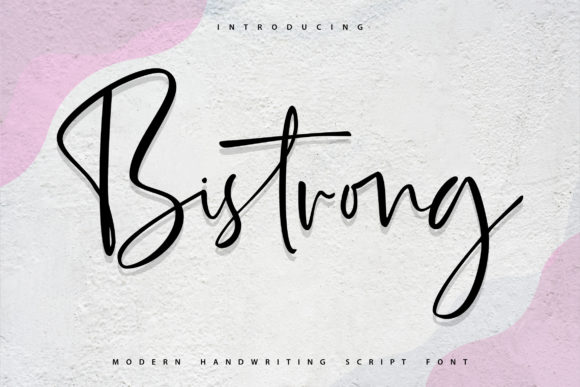
At its core, Bistrong is defined as a lovely brushed script font. However, this description only scratches the surface of its potential. In an era where authenticity is prized over polished perfection, brushed scripts offer a human touch that sterile sans-serifs often lack. They evoke the feeling of hand-lettering, suggesting craftsmanship, care, and a personal connection between the brand and the consumer. Yet, many traditional script fonts suffer from legibility issues or rigid structures that limit their application. Bistrong addresses these pain points by offering a dynamic range of strokes that feel organic yet remain highly readable across various mediums.
The relevance of such a typeface extends beyond mere aesthetics. It reflects a broader shift in consumer preferences toward brands that appear approachable and genuine. Whether used in luxury packaging, social media graphics, or editorial headers, Bistrong allows creators to inject warmth and sophistication into their projects simultaneously. This duality makes it an invaluable asset for marketers who need to convey premium quality without appearing aloof or inaccessible.
Technical Precision Meets Creative Freedom
One of the most significant barriers to adopting expressive typography has historically been technical limitation. Designers often struggled with fonts that lacked comprehensive glyph sets, forcing them to manually adjust letters to avoid repetitive patterns or awkward connections. Bistrong dismantles this barrier through its advanced technical architecture. Specifically, this font is PUA encoded, which means you can access all of the glyphs and swashes with ease. This feature is not merely a technical footnote; it is a transformative tool for efficiency and creativity.
PUA (Private Use Area) encoding allows designers to bypass complex keyboard shortcuts or cumbersome character map tools. Instead, they can access alternate characters, decorative swashes, and ligatures directly through standard input methods. For freelancers and agency teams working under tight deadlines, this streamlined workflow is invaluable. It reduces the time spent on micro-adjustments and allows for rapid iteration during the conceptual phase. By removing friction from the design process, Bistrong empowers creators to experiment more freely, leading to more innovative and spectacular designs.
Adapting to Diverse Creative Workflows
The modern creative professional operates in a multi-platform environment. A single campaign might require assets for Instagram stories, high-resolution print brochures, website headers, and email newsletters. Each medium has distinct constraints and opportunities. Bistrong thrives in this heterogeneous ecosystem due to its incredibly versatile style. Its stroke weight and spacing are optimized to maintain integrity whether scaled down for a mobile screen or enlarged for a billboard.
Consider the workflow of a boutique marketing agency tasked with rebranding a local artisanal coffee shop. The client wants to emphasize handcrafted quality while appealing to a tech-savvy younger demographic. Using Bistrong, the designers can create a logo that feels handmade and authentic, leveraging the font’s natural brush texture. Simultaneously, they can use the accessible swashes to create unique social media templates that stand out in crowded feeds. The ability to toggle between different glyphs ensures that no two posts look identical, maintaining visual interest and engagement over time.
Why Professionals Are Paying Attention
The growing interest in Bistrong is not accidental; it is a response to changing expectations in the design industry. Today’s clients are more informed and demanding. They understand that typography influences conversion rates, brand perception, and user experience. Consequently, they are moving away from generic, free fonts that dilute brand identity. They are seeking distinctive typefaces that offer both character and reliability.
Furthermore, the rise of no-code design tools and DIY branding platforms has democratized design. Entrepreneurs and small business owners are now creating their own visual assets. For this audience, ease of use is paramount. A font that is difficult to manipulate becomes a liability rather than an asset. Bistrong’s user-friendly encoding and intuitive structure make it accessible to non-designers while still offering the depth required by seasoned professionals. This broad appeal contributes to its widespread adoption across diverse sectors.
- Enhanced Brand Differentiation: Helps brands stand out in saturated markets through unique handwritten aesthetics.
- Workflow Efficiency: PUA encoding simplifies access to advanced typographic features, saving time.
- Cross-Platform Versatility: Maintains visual impact across digital and print mediums.
- Emotional Connectivity: Evokes authenticity and warmth, fostering stronger consumer relationships.
Strategic Applications in Modern Business
To fully leverage the potential of Bistrong, it is essential to understand where it fits within a broader design strategy. While it is tempting to use expressive scripts for body text, best practices suggest reserving such fonts for headlines, logos, and accent elements. This approach ensures readability while maximizing emotional impact. For instance, a financial technology company might use a clean sans-serif for data-heavy reports but employ Bistrong for campaign slogans to humanize their brand voice.
Additionally, the font’s compatibility with various design software enhances its utility. Whether working in Adobe Illustrator, Photoshop, or web-based design platforms, the consistent rendering of glyphs ensures that the final output matches the designer’s vision. This reliability is crucial for maintaining brand consistency across multiple touchpoints. As businesses increasingly rely on omnichannel marketing strategies, having a typeface that performs consistently everywhere is a strategic advantage.
Future-Proofing Your Design Toolkit
Investing in high-quality typography is a long-term strategy. Trends may shift, but the need for clear, engaging, and distinctive communication remains constant. Bistrong represents a forward-looking choice because it balances trend-aware aesthetics with timeless principles of good design. Its brushed style nods to the current preference for authenticity, while its technical robustness ensures it remains usable as design tools evolve.
Moreover, the emphasis on accessibility and ease of use aligns with the broader movement toward inclusive design. By making advanced typographic features easily accessible, Bistrong lowers the barrier to entry for high-quality design. This inclusivity fosters a more diverse creative landscape where smaller businesses and independent creators can compete with larger entities on visual merit.
- Identify key brand touchpoints where emotional resonance is critical.
- Integrate Bistrong into headlines and logos to establish tone.
- Utilize PUA-encoded swashes to create unique variations for social media.
- Pair with complementary sans-serif fonts for body text to ensure readability.
- Test across devices and print formats to verify consistency and impact.
In conclusion, Bistrong is more than just a typeface; it is a tool for storytelling and brand building. Its combination of aesthetic charm and technical sophistication makes it a standout choice for professionals who value both form and function. By understanding its capabilities and integrating it thoughtfully into design workflows, creators can produce work that is not only visually stunning but also strategically effective. As the demand for authentic and engaging visual content continues to grow, fonts like Bistrong will play an increasingly vital role in shaping the way we communicate and connect in the digital age.
For those looking to elevate their design projects, exploring the full range of Bistrong’s features offers a pathway to more compelling and memorable visual identities. The intersection of art and technology has never been more accessible, and with the right tools, every creator has the opportunity to leave a lasting impression.